Aster Companion Plants That Will Make Your Garden Pop
Asters are a beautiful addition to any garden, but they can be even more stunning when paired with the right companion plants. In this blog post, we will discuss some of the best companion plants for asters, as well as some tips for creating a beautiful and harmonious garden.
Why Choose Companion Plants?
There are many reasons to choose companion plants for your asters. First, companion plants can help to attract beneficial insects, such as pollinators and predators of pests. This can help to keep your asters healthy and free of disease.
Second, companion plants can help to improve the overall appearance of your garden. By choosing plants that complement each other in terms of size, color, and texture, you can create a more visually appealing garden.
Finally, companion plants can help to extend the bloom time of your asters. By planting plants that bloom at different times of the year, you can ensure that your garden is always in bloom.
What Are the Best Companion Plants for Asters?
There are many different companion plants that can be paired with asters. Some of the best include:
- Black-eyed Susans: These yellow flowers are a member of the same family as asters, and they bloom at the same time. They make a great companion plant because they help to attract pollinators and they add a splash of color to the garden.
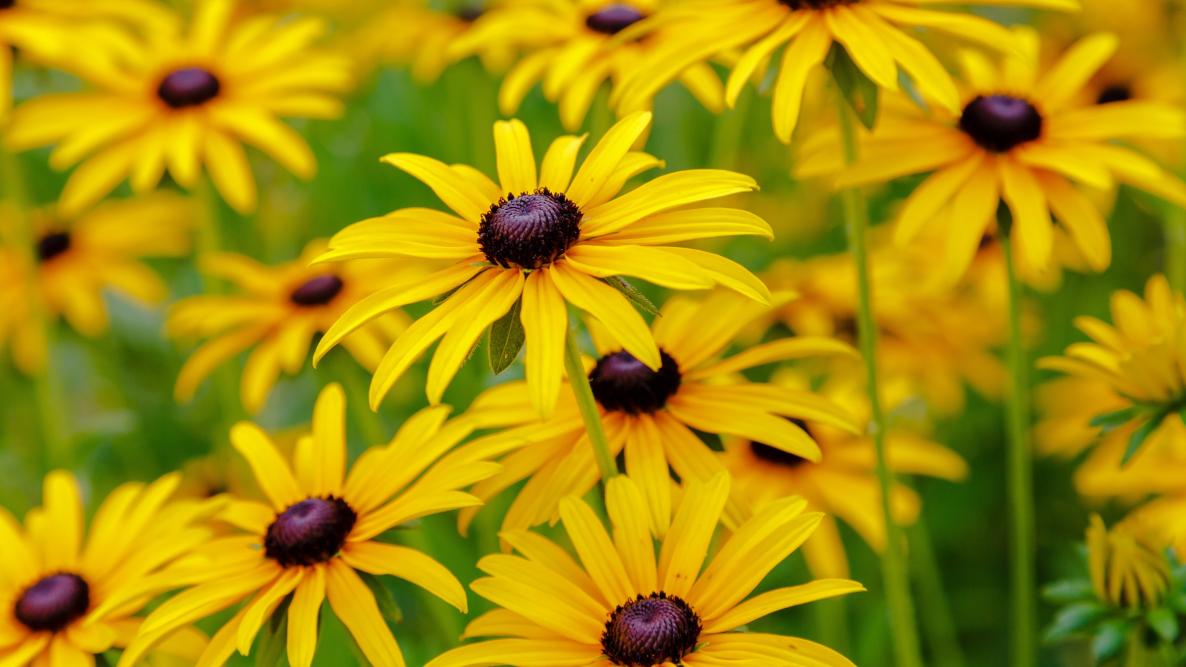
- Coneflowers: These daisy-like flowers come in a variety of colors, including purple, pink, and yellow. They bloom in late summer and fall, which makes them a great companion plant for asters. Coneflowers also attract pollinators and help to deter pests.
- Goldenrod: This tall, yellow flower blooms in late summer and fall. It is a great companion plant for asters because it helps to attract pollinators and it adds height and texture to the garden.
- Yarrow: This daisy-like flower blooms in late summer and fall. It comes in a variety of colors, including yellow, white, and pink. Yarrow is a great companion plant for asters because it helps to attract pollinators and it helps to deter pests.

- Zinnia: These colorful flowers bloom in summer and fall. They are a great companion plant for asters because they add a splash of color to the garden and they help to attract pollinators.
Tips for Planting Companion Plants with Asters
When planting companion plants with asters, there are a few things to keep in mind. First, choose plants that have similar water and sunlight requirements. Second, choose plants that will not compete with each other for nutrients. Finally, choose plants that will complement each other in terms of size, color, and texture.
Conclusion
Asters are a beautiful addition to any garden, and they can be even more stunning when paired with the right companion plants. By following the tips in this blog post, you can create a beautiful and harmonious garden that will be sure to turn heads.
Asters are a beautiful addition to any garden, but they can be even more stunning when they're planted with the right companion plants. The right companions can help to extend the bloom time of asters, deter pests, and add visual interest to the garden.
Some of the best companion plants for asters include:
- Black-eyed Susans
- Coneflowers
- Goldenrod
- Sunflowers
- Ornamental grasses
- Yarrow
- Zinnias
These plants all have similar growing conditions to asters, so they're a good choice for companion planting. They also have different flower colors and heights, so they can help to create a more visually interesting garden.
If you're looking for more information about aster companion plants, I recommend visiting Garden Wiki. This website has a comprehensive list of companion plants for asters, as well as tips on how to plant and care for them.
FAQ of aster companion plants
Question 1: What are some good companion plants for asters?
Answer: Asters are relatively easy to care for and can be planted with a variety of other plants. Some good companion plants for asters include:
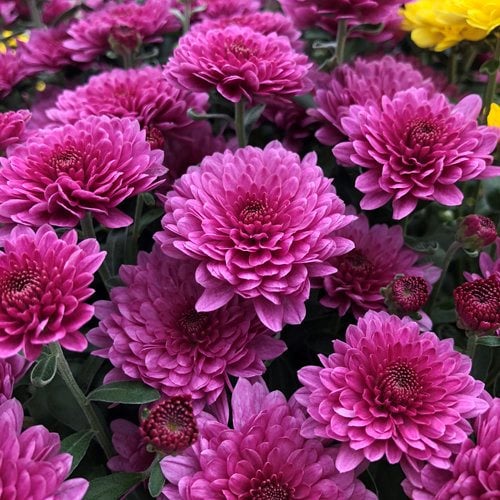
- Chrysanthemums: These two plants have similar growing requirements and can help to attract pollinators to your garden.
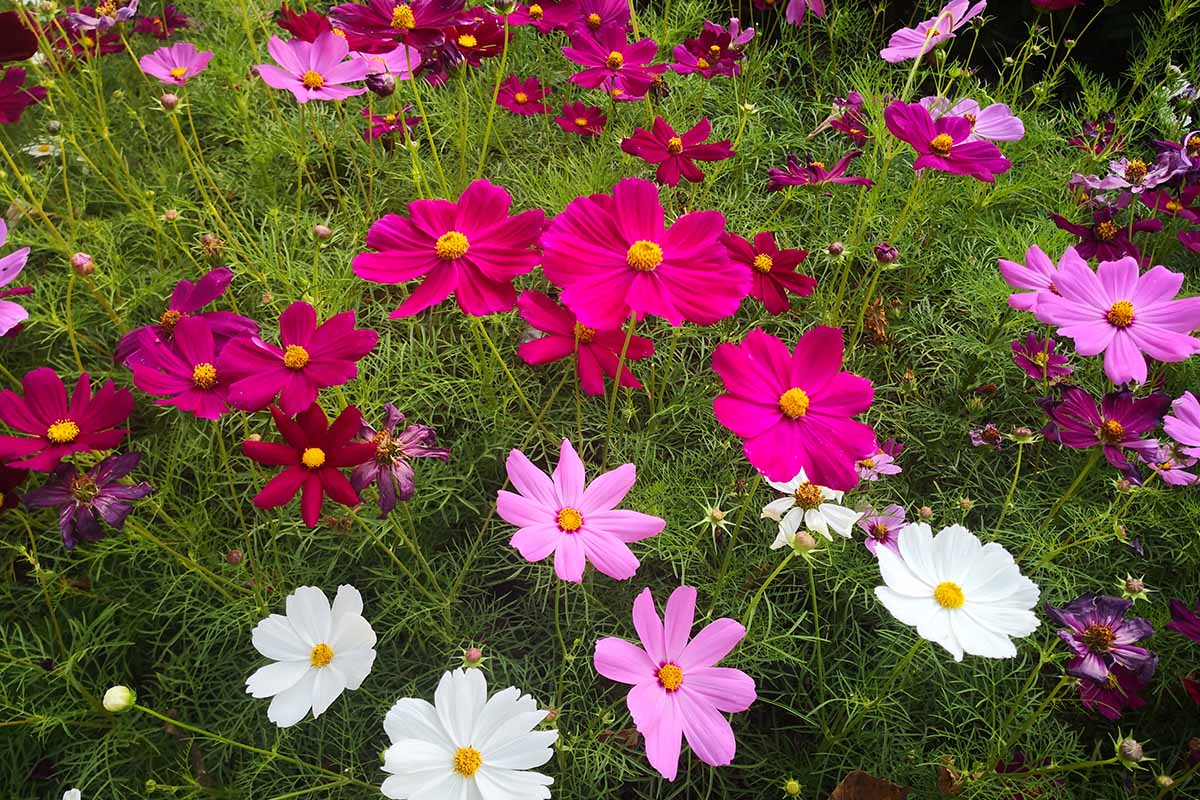
- Cosmos: Cosmos can help to deter pests from asters, and their bright colors will complement the asters' blooms.
- Lavender: Lavender is a fragrant herb that can help to repel pests from asters.

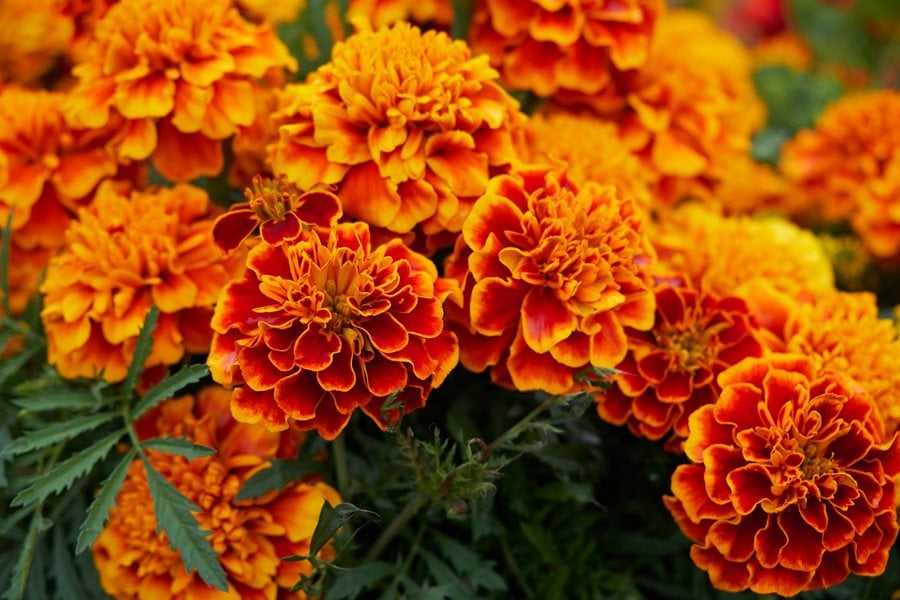
- Marigolds: Marigolds are another herb that can help to repel pests from asters. They also attract pollinators, which can help to improve the pollination of your asters.
- Shasta daisies: These daisy-like flowers have similar growing requirements to asters and can help to add height and color to your garden.
Question 2: What are some common problems that asters can have?
Answer: Asters are relatively pest- and disease-resistant, but they can be susceptible to a few problems. Some common problems that asters can have include:
- Aster wilt: This is a fungal disease that can cause asters to wilt and die.
- Aster leaf spot: This is a fungal disease that can cause spots to appear on asters' leaves.
- Aster rust: This is a fungal disease that can cause orange or brown spots to appear on asters' leaves.
Question 3: How do I care for asters?
Answer: Asters are relatively easy to care for and require full sun and well-drained soil. They should be watered regularly, especially during hot, dry weather. Asters can be fertilized in the spring and fall with a balanced fertilizer.
Question 4: When do asters bloom?
Answer: Asters bloom in the fall, typically from late summer to early winter. The exact timing of bloom can vary depending on the variety of aster.
Question 5: How do I propagate asters?
Answer: Asters can be propagated by seed, division, or cuttings. Seed propagation is the most common method. Seeds can be sown directly in the garden in the spring or fall. Asters can also be propagated by division in the spring or fall. To divide asters, carefully dig up the plant and separate the roots into smaller clumps. Replant the clumps in the garden. Asters can also be propagated by cuttings in the spring or summer. To take cuttings, cut a 4-6 inch section of stem from a healthy plant. Remove the lower leaves from the cutting and dip the end in rooting hormone. Plant the cutting in a pot of well-draining soil and keep the soil moist. The cutting should root in a few weeks.
Image of aster companion plants
- Big bluestem (Andropogon gerardii)
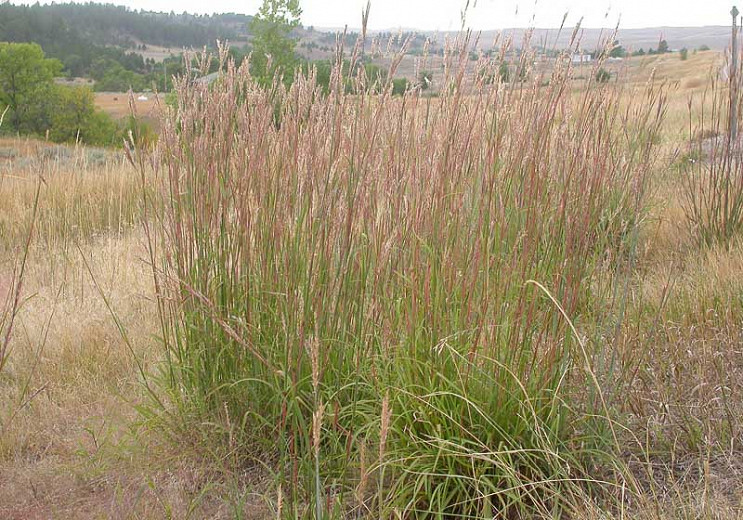
- Swamp milkweed (Asclepias incarnata)

- Sweet coneflower (Rudbeckia subtomentosa)
- Wild bergamot (Monarda fistulosa)
- Dense blazing star (Liatris spicata)


Post a Comment for " Aster Companion Plants That Will Make Your Garden Pop"