The Pink Lady Hydrangea: A Stunning Addition To Your Garden
The Pink Lady Hydrangea is a stunning addition to any garden. With its large, fluffy blooms that can grow up to 12 inches in diameter, it's sure to turn heads. But the Pink Lady Hydrangea isn't just beautiful, it's also relatively easy to care for.
In this blog post, we'll take a closer look at the Pink Lady Hydrangea, including its history, its unique features, and how to care for it. We'll also provide some tips on how to get the most out of your Pink Lady Hydrangea.
History of the Pink Lady Hydrangea
The Pink Lady Hydrangea was first introduced in Japan in the early 1900s. It was quickly adopted by gardeners around the world, thanks to its beautiful flowers and its relatively easy care requirements.
The Pink Lady Hydrangea is a hybrid of two other Hydrangea species: Hydrangea macrophylla and Hydrangea serrata. Hydrangea macrophylla is the species responsible for the Pink Lady's large, fluffy blooms. Hydrangea serrata, on the other hand, is responsible for the Pink Lady's deep pink color.
Unique Features of the Pink Lady Hydrangea
The Pink Lady Hydrangea has several unique features that make it stand out from other Hydrangea varieties. First, its blooms can change color depending on the acidity of the soil. In acidic soil, the blooms will be a deep pink. In alkaline soil, the blooms will be blue.
Second, the Pink Lady Hydrangea is a reblooming plant. This means that it will bloom twice in a season. The first bloom occurs in the spring, and the second bloom occurs in the fall.
Third, the Pink Lady Hydrangea is relatively resistant to pests and diseases. This makes it a low-maintenance plant that is easy to care for.
How to Care for the Pink Lady Hydrangea
The Pink Lady Hydrangea is a relatively easy plant to care for. However, there are a few things you need to do to keep it healthy and blooming.
First, plant your Pink Lady Hydrangea in a spot that gets full sun to partial shade. The plant will need at least six hours of sunlight per day in order to bloom properly.
Second, water your Pink Lady Hydrangea regularly. The plant needs moist soil, but it should not be soggy. Water the plant deeply once a week, and more often during hot, dry weather.
Third, fertilize your Pink Lady Hydrangea in the spring and fall. Use a balanced fertilizer, such as 10-10-10.
Fourth, prune your Pink Lady Hydrangea in the spring. Remove any dead, diseased, or damaged branches. You can also prune the plant to shape it.
Tips for Getting the Most Out of Your Pink Lady Hydrangea
Here are a few tips for getting the most out of your Pink Lady Hydrangea:
- Choose a variety that is well-suited to your climate. Some varieties of Pink Lady Hydrangea are more cold-hardy than others.
- Plant your Pink Lady Hydrangea in a well-drained soil. The plant does not tolerate wet, soggy soil.
- Mulch around your Pink Lady Hydrangea. Mulch will help to retain moisture and suppress weeds.
- Protect your Pink Lady Hydrangea from pests and diseases. If you see any signs of pests or diseases, treat them immediately.
Conclusion
The Pink Lady Hydrangea is a stunning and easy-to-care-for plant that is sure to add beauty to your garden. With a little care, your Pink Lady Hydrangea will bloom for years to come.
Hydrangea paniculata Pink Lady is a beautiful and versatile shrub that is perfect for adding a touch of elegance to any garden. The flowers start out a soft pink in the spring and summer, and then gradually fade to a pale cream in the fall. The blooms are large and showy, and they can reach up to 12 inches in diameter. Pink Lady hydrangeas are also relatively easy to care for, making them a great choice for even the most novice gardener.
If you are interested in learning more about Hydrangea paniculata Pink Lady, I suggest you visit . This website has a wealth of information about this beautiful shrub, including planting instructions, care tips, and troubleshooting advice. You can also find photos and videos of Pink Lady hydrangeas in bloom, so you can get a better idea of what they look like in your garden.
FAQ of hydrangea paniculata pink lady
Question 1: What are the best conditions for Hydrangea paniculata Pink Lady?
Answer: Hydrangea paniculata Pink Lady thrives in rich, medium moisture, well-drained soils. They require a few hours of direct sunlight to flower best, but can tolerate partial shade. They are not fussy about the soil type as long as it is well-drained.
Question 2: How do I get my Hydrangea paniculata Pink Lady to bloom pink?
Answer: The color of Hydrangea paniculata flowers is determined by the pH of the soil. In alkaline soil (pH above 7.0), the flowers will be pink. In acidic soil (pH below 6.0), the flowers will be blue. To get your Hydrangea paniculata Pink Lady to bloom pink, you can either test the pH of your soil and adjust it accordingly, or add garden sulfur or aluminum sulfate to the soil.
Question 3: How do I care for my Hydrangea paniculata Pink Lady during the winter?
Answer: Hydrangea paniculata Pink Lady is a hardy plant that can tolerate cold winters. However, it is a good idea to protect the plant from harsh winds and freezing temperatures. You can do this by wrapping the plant in burlap or other protective material.
Question 4: How do I propagate Hydrangea paniculata Pink Lady?
Answer: Hydrangea paniculata Pink Lady can be propagated by cuttings or division. To propagate by cuttings, take 4-6 inch cuttings from the plant in early spring or late summer. Dip the cuttings in rooting hormone and plant them in a well-drained potting mix. Keep the cuttings moist and in a warm location.
Question 5: What are some common pests and diseases that affect Hydrangea paniculata Pink Lady?
Answer: The most common pests that affect Hydrangea paniculata Pink Lady are aphids, scale, and spider mites. These pests can be controlled with insecticidal soap or neem oil. The most common diseases that affect Hydrangea paniculata Pink Lady are leaf spot and powdery mildew. These diseases can be prevented by watering the plant at the base and avoiding overhead watering.
Image of hydrangea paniculata pink lady
5 different images of "hydrangea paniculata pink lady" from Pinterest:
- Image 1: A large, pink hydrangea paniculata bush in full bloom. The flowers are a soft, delicate pink color and are arranged in large, conical clusters.
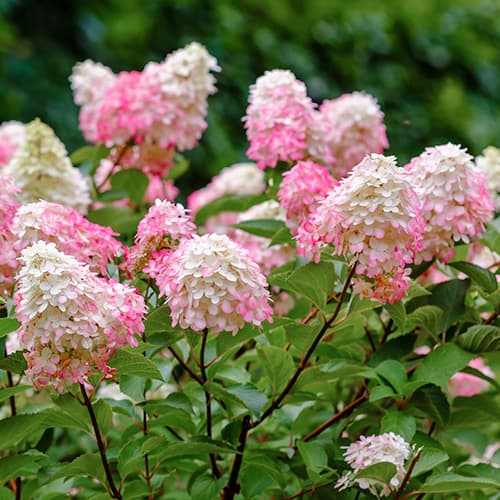
- Image 2: A close-up of a single hydrangea paniculata flower. The petals are a pale pink color with a darker pink center. The flower is surrounded by dark green leaves.
- Image 3: A hydrangea paniculata bush in a garden setting. The bush is surrounded by other flowers and plants, including roses, lilies, and daisies.
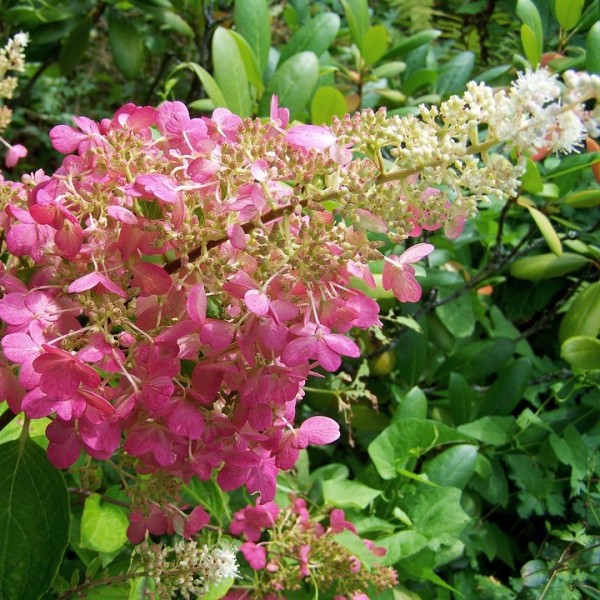
- Image 4: A hydrangea paniculata bush in a vase. The flowers are a bright pink color and are arranged in a cascading display.
- Image 5: A hydrangea paniculata bush in a pot. The bush is planted in a large pot and is surrounded by rocks and other decorative elements.


Post a Comment for "The Pink Lady Hydrangea: A Stunning Addition To Your Garden"